
Introduction
Apple’s iPhone cameras have set a benchmark for smartphone photography, revolutionizing how we capture moments. Integral to their excellence is the material composition of their lenses. Sapphire has emerged as a topic of interest, famed for its durability and optical properties. This article examines the truth behind sapphire’s presence in iPhone lenses, its advantages, and dispels common misconceptions.
Evolution of iPhone Camera Lenses
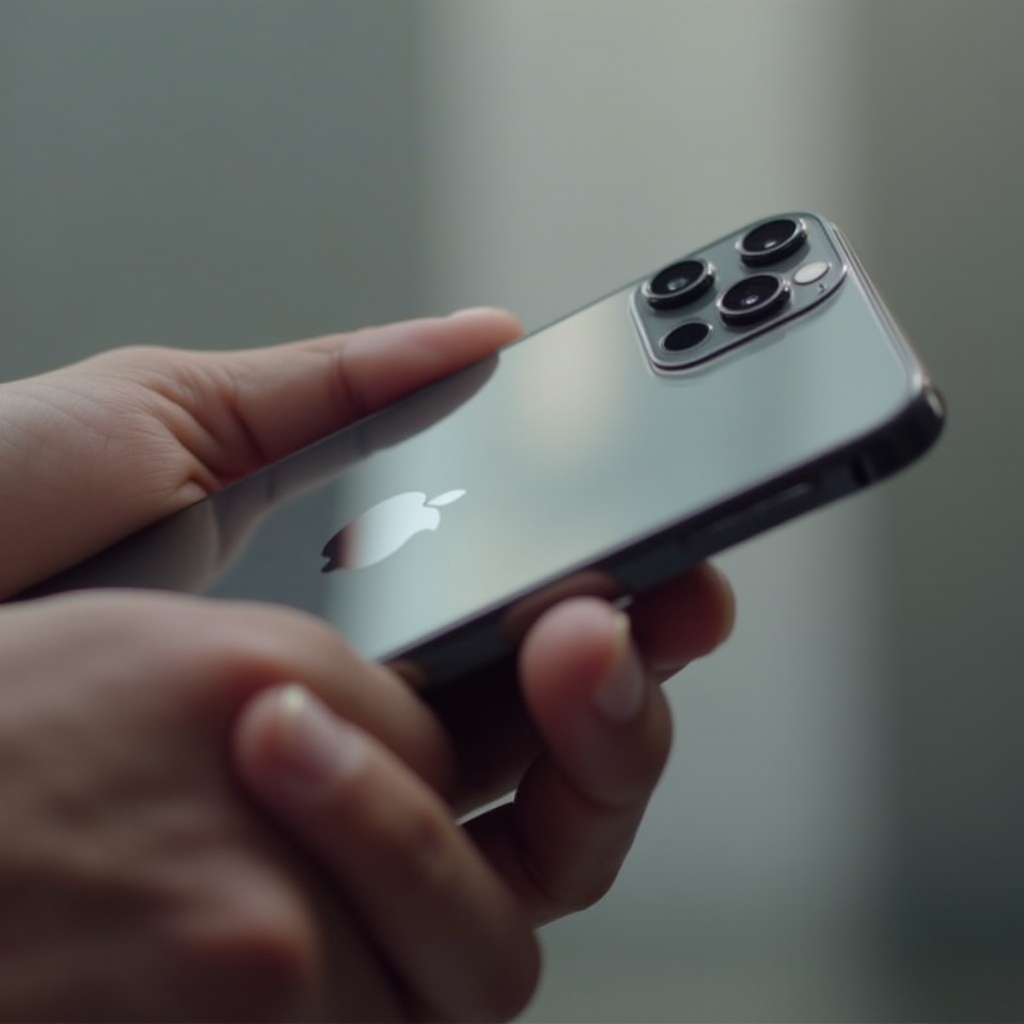
The journey of iPhone lenses has been marked by continuous improvement, with a shift from basic plastic to advanced high-grade materials. This transition was driven by the need for better image clarity and robustness, aligning with the rising demands from consumers. Early models utilized standard glass, providing significant improvement over plastic in terms of transparency and scratch resistance. As expectations escalated, so did the pursuit for superior materials, spotlighting sapphire as a contender.
While understanding this historical progression, it becomes clear why sapphire is considered for iPhone lenses. With a legacy of innovation, Apple has consistently aimed to optimize every facet of its devices, creating a seamless bridge to the current discussion on sapphire’s involvement.
Sapphire in Technology: A Precious Component
Sapphire, traditionally valued as a gemstone, has proven indispensable in technology due to its robustness and transparency. Its crystal structure rivals diamond in hardness, favoring its application in protecting delicate technological components. Sapphire’s resilience ensures that lenses remain scratch-free, thereby preserving the camera’s optical capabilities.
When compared to other materials commonly used in lenses, such as Gorilla Glass, sapphire stands out for its toughness and clarity. Its superiority lies in resisting regular wear and tear, making it a prime choice in smartphone design. This understanding of sapphire’s attributes naturally leads us to examine its application in iPhone lenses.
iPhone Lenses: Is Sapphire Really Used?
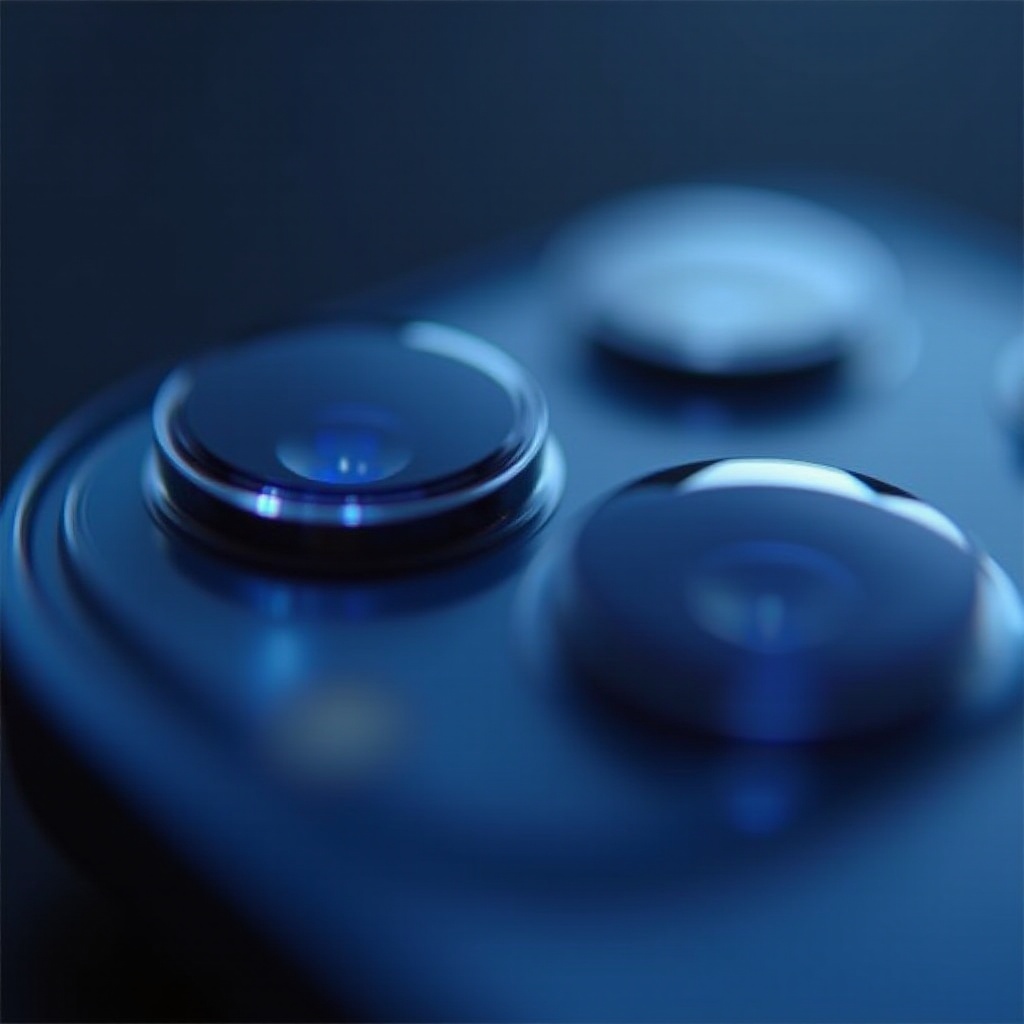
Apple has integrated high-quality materials across its product range, leading to speculation regarding the use of sapphire in iPhone camera lenses. Official Apple statements confirm sapphire usage in select components, notably the camera lens cover and Home button in specific models.
Delving into the manufacturing process unveils the intricacies involved in utilizing sapphire. Starting with raw sapphires, the process entails precise cutting and shaping to adapt this hard material to device specifications. Despite its cost, the benefits of incorporating sapphire—such as enhanced durability—justify its usage.
Transitioning from materials and processes, the advantages sapphire presents become our next focus.
Advantages of Sapphire Lenses
Sapphire’s primary allure is its unparalleled durability, often compared to diamond. It is nearly impervious to scratches, an invaluable trait for protecting sensitive technology components like camera lenses. This strength ensures minimal damage from everyday use, safeguarding image clarity.
For photographers and casual users alike, the impact on image quality is significant. Sapphire lenses maintain transparency and resist damage, guaranteeing crisp images over the long term.
Having detailed its direct benefits, addressing misconceptions about sapphire lenses naturally follows.
Addressing Common Myths About Sapphire Lenses
A range of myths surrounds sapphire lenses, primarily due to misunderstandings. Contrary to rumors that sapphire may shatter easily, studies show its brittleness is similar to other materials used for premium lenses.
A clearer understanding of these misconceptions encourages informed consumer decisions regarding the suitability of sapphire-enhanced lenses. By addressing these myths systematically, consumers can better appreciate the true capability of sapphire lenses, fostering confidence in technological purchases.
With clarity on these points, we conclude our exploration of sapphire lenses in iPhones.
Conclusion
Sapphire’s integration into technology, particularly smartphone lenses, reflects a commitment to unmatched quality and performance. Its characteristics make it a valuable consideration, offering benefits from durability to enhancing photographic excellence. Although not universally implemented across all lens components, its presence underlines Apple’s dedication to quality and innovation.
Informed consumer choices arise from understanding the intricacies of material use, allowing appreciation of the craftsmanship behind everyday tech experiences.
Frequently Asked Questions
Why is Sapphire Preferred in Camera Lenses?
Sapphire is favored for its exceptional hardness and resistance to scratches, ensuring lenses remain clear and undamaged.
How Can I Tell if My iPhone Has a Sapphire Lens?
To verify if your iPhone has a sapphire lens, consult the official specifications provided by Apple for your specific model.
Are Sapphire Lenses More Expensive to Produce?
Yes, sapphire is costlier due to its hardness and the complex manufacturing required to adapt it for electronic components.